
Your First Kiwi Christmas and the Upside-Down Year
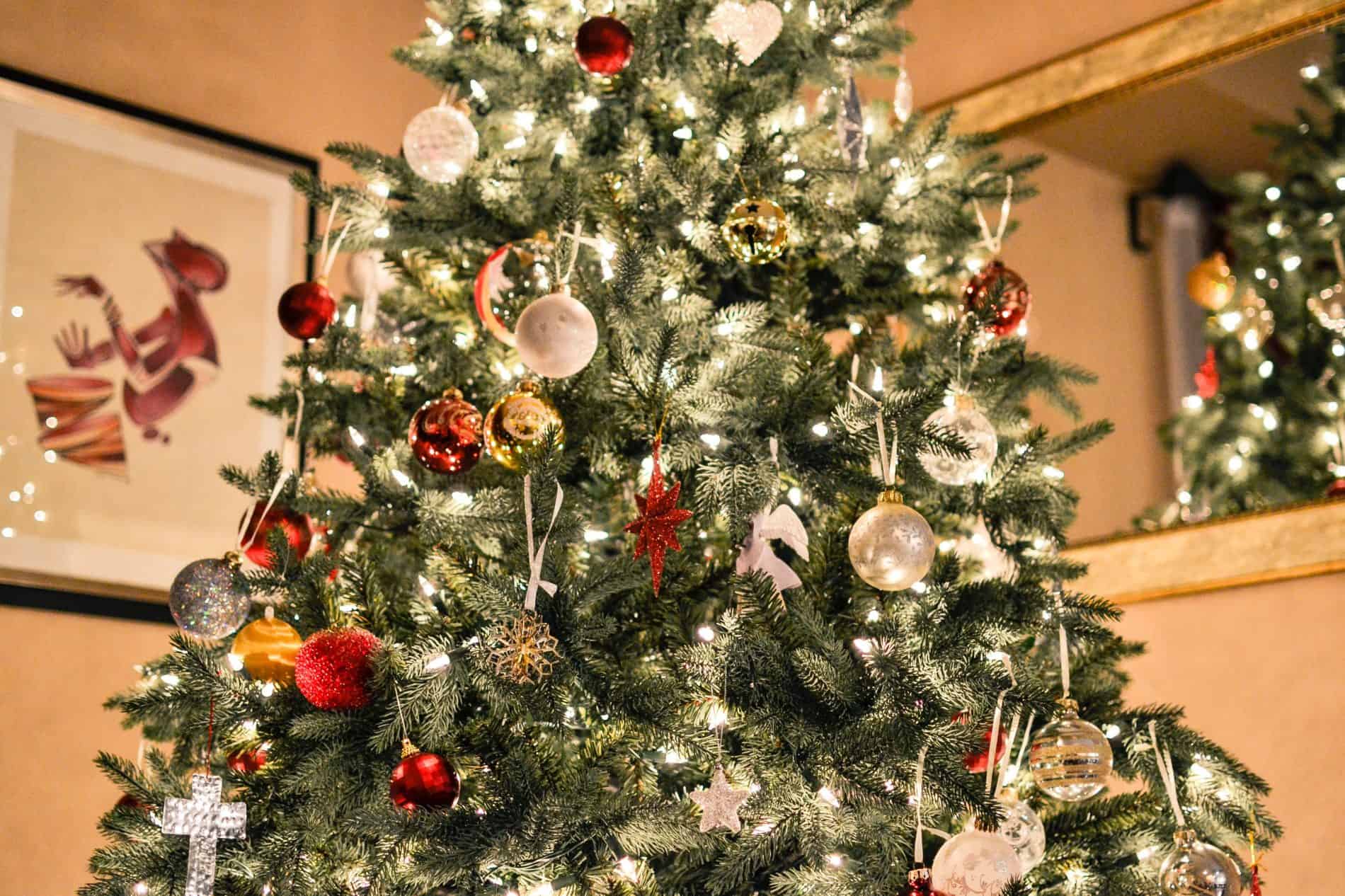
Nothing prepares you for your first hot Christmas. We had read about it, joked about it, and still spent our first Kiwi December quietly scandalised that the carols were playing over sunscreen displays and everyone kept talking about “the bach” instead of Boxing Day telly. It takes a while to get your head around, and the weather can genuinely make you feel unfestive in year one. We struggled with it too. By year two, something flips, and by year three you will wonder how you ever did Christmas in the cold.
This is the honest guide to that flip, plus the bit nobody explains when you arrive: the whole New Zealand year is upside down, and Christmas is just the loudest example.
In this article
- The thoughts every expat has at their first Kiwi Christmas
- What a Kiwi Christmas actually looks like
- The January shutdown nobody warns you about
- The upside-down year at a glance
- Missing home at Christmas, honestly
- Your questions answered
The thoughts every expat has at their first Kiwi Christmas
We wrote these down during our own first two Decembers, and every migrant we have shared them with laughs in recognition.
Year one: “It is so weird that it’s hot at Christmas.” “Where are all the decorations? It’s October and nobody cares!” “Can I wear my Christmas jumper? No. Far too hot.” “A BBQ? On Christmas Day? We are NOT having a BBQ, I want my turkey.” “Off to the supermarket we go… WHERE is the turkey?” “Ham? Fine. Ham it is.” “You don’t watch telly on Christmas Day?” “Cold beer, because it is far too hot for mulled wine.” “I am sunburnt.” “Boxing Day at the beach? Okay then.”
Year two: “Everyone goes on holiday at Christmas, so I might as well too.” “It’s hot, but I’m wearing the Christmas jumper anyway, briefly, for the photo.” “I won’t be having turkey this year. I love ham now. It lasts for weeks.” “BBQ and beer, this is the life.” “I don’t mind the snowy pictures from England any more, because I am not cold.” “Okay, I’m sold. I can never do a winter Christmas again.”
That progression is close to universal. Give it time.
What a Kiwi Christmas actually looks like
Christmas Day here is a summer holiday that happens to have presents. The pōhutukawa does the decorating, flowering crimson along the coast right on cue, which is why it gets called the Kiwi Christmas tree. Lunch is the main event and it is usually outdoors: glazed ham rather than turkey (turkeys exist, but you will pay for the privilege and probably barbecue it anyway), new potatoes, salads, pavlova, and strawberries because December is peak strawberry season. Someone will swim. Someone will fall asleep on the lawn.
The other big difference is that Christmas kicks off the summer holiday rather than interrupting winter. Kiwis roll Christmas, New Year and their annual leave into one long stretch at the beach, the campground or the family bach. The roads out of the cities on Boxing Day are the busiest of the year. If your instinct is that Christmas means being at home, expect to have that instinct gently dismantled by a nation heading for the coast.
Our own compromise, refined over ten years: keep the traditions that travel (we still made a Christmas cake every year, and the jumpers came out for exactly one sweaty photo), adopt the ones that work better here (ham, beach, barbecue), and let go of the telly schedule entirely. There is truly nothing better than sitting on a beach on Christmas Day instead of staring at a screen.
The January shutdown nobody warns you about
Here is the practical bit that catches every new migrant: New Zealand does not really reopen until late January. Offices wind down from mid-December, “let’s sort it in the new year” becomes the national catchphrase, and for the first few weeks of January tradies, lawyers, accountants and half the businesses you might need are at the beach with everyone else. Schools are on their long summer break from mid-December until late January or early February.
Plan around it. If you arrive in December expecting to set up a life quickly, you will be frustrated; if you treat your first January as enforced holiday, you will start the year like a local. It is also the best and worst time to travel: the whole country is on the road, campgrounds are full, and accommodation is at peak price, so book ahead or wait for February, which is our honest pick as the best month in New Zealand (summer weather, everyone back at work, quiet beaches).
The upside-down year at a glance
The rhythm of the year takes a full cycle to internalise. This is the shape of it:
| When | What happens |
|---|---|
| December to mid-January | Christmas + the great summer shutdown; schools break up mid-December |
| Late January to February | Everything reopens; school year STARTS (early February); the best settled summer weather |
| 6 February | Waitangi Day (public holiday; the national day, commemorating Te Tiriti o Waitangi) |
| March to April | Autumn; Easter (note: most shops must close Good Friday and Easter Sunday by law) |
| 25 April | Anzac Day; dawn services honouring servicemen and women; treat it respectfully |
| June to July | Winter; Matariki public holiday (the Māori new year, marked since 2022; the date shifts with the lunar calendar) |
| July, September/October | Two-week school holidays between terms (four terms in the school year) |
| September to November | Spring, lambs everywhere; the pre-summer build-up begins |
| Late October | Labour Day long weekend; the unofficial start of barbecue season |
School terms are the skeleton of family life here: four terms from early February to mid-December, with two-week breaks between them and the long break over summer. If you are moving with children, our guide to schools in New Zealand covers how the year works in detail. For the full statutory public-holidays list and your leave rights, see what it’s like to work in New Zealand, and for the deeper story of Matariki, our introduction to Māori culture and te reo.
Missing home at Christmas, honestly
We will not pretend the first Christmas is all pavlova and sunshine. It is the day the distance from family feels longest, and the time-zone maths means your Christmas evening video call lands in the middle of their Christmas morning. That first year, the photos of frost and fairy lights from home can sting more than you expect.
What helped us: booking the call in advance so it was an event rather than an afterthought, building a Christmas with new friends and neighbours rather than waiting to be invited into one, and keeping one or two non-negotiable traditions from home so the day still felt like ours. It gets easier every year, and for most people the second Christmas is the one where New Zealand starts to feel like where Christmas happens. If you are in the thick of that first-year wobble, our guide to your first six months in New Zealand is the companion piece to this one.
Your questions answered
Is Christmas a public holiday in New Zealand? Yes. Christmas Day and Boxing Day are both statutory public holidays, and because they fall in summer they join New Year’s Day and the day after to bookend the great national shutdown.
Can I buy a turkey in New Zealand? Yes, supermarkets stock them in December, but they are a specialty rather than the default and priced accordingly. Ham is the Kiwi Christmas centrepiece, and plenty of families barbecue the meat whatever it is.
What is a bach and why does everyone disappear to one? A bach is a family holiday home, often modest, usually near a beach or lake. Christmas to mid-January is bach season, which is why the cities empty and the coast fills up.
Is anything open on Christmas Day? Very little. Essential services aside, the country genuinely stops, and shop trading laws also close most stores on Good Friday and Easter Sunday later in the year, which surprises newcomers twice.
When should I book summer accommodation? Months ahead if you want the coast between Boxing Day and mid-January. Campgrounds and baches in popular spots book out by spring, and prices peak with the demand.
What is Matariki? The Māori new year, marked by the rising of the Matariki star cluster in mid-winter. It became a public holiday in 2022, the date shifts each year with the lunar calendar, and it is a lovely, reflective counterpoint to the summer Christmas.
Facing your own first upside-down Christmas? Tell us how it goes, we love hearing these stories.
You might also like

Best Places to Live in New Zealand in 2026: Our Honest, City-by-City Guide
Auckland, Wellington, Christchurch and six more places compared on rent, jobs and climate for 2026, from a couple who actually lived in three of them.

The Best Banks in New Zealand for Migrants
Which New Zealand bank is best for migrants in 2026: ANZ, ASB, BNZ, Westpac, Kiwibank and the challengers compared, fees, apps and deposit protection.

Buying a Car in New Zealand: A 2026 Guide to Costs, WoF and Rego
Buying a car in New Zealand: 2026 prices for WoF, rego, insurance and RUC, plus where to buy, imports and EVs, from a couple who actually did it.